
Intermittent Fasting After 40: What the Science Actually Says in 2026
If you’ve hit 40 and started wondering whether intermittent fasting actually works — or whether the hype has finally caught up with the science — you’re asking the right question. The research has evolved significantly, and what we knew in 2020 looks quite different from what the data shows heading into 2026.
What Is Intermittent Fasting, Really?
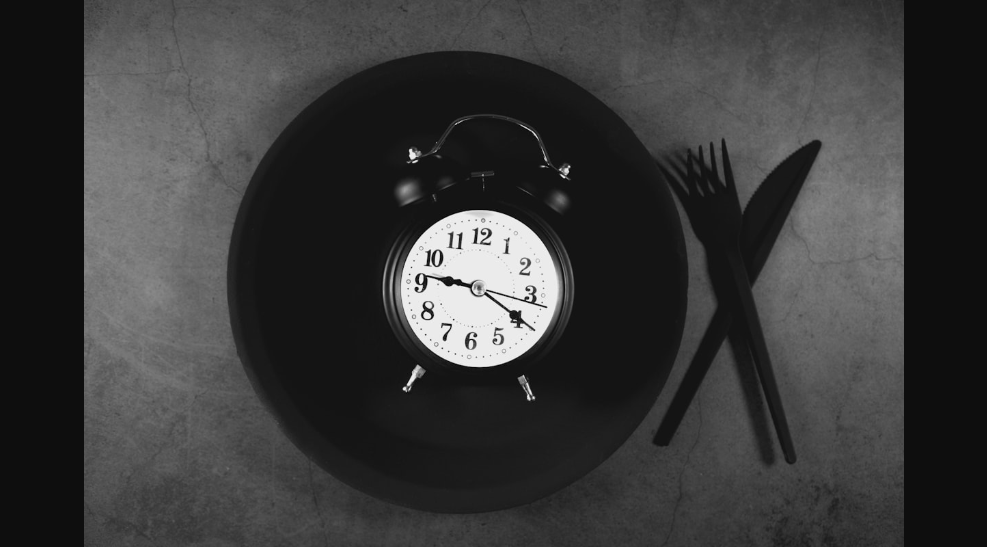
Intermittent fasting (IF) is not a diet — it’s an eating schedule. Rather than restricting what you eat, it restricts when you eat. The most common protocols include the 16:8 method (16 hours fasting, 8 hours eating), the 5:2 method (two days of significant calorie restriction per week), and alternate-day fasting. What makes IF appealing is its simplicity: no calorie counting, no forbidden foods — just a defined eating window.
Why After 40 Changes Everything
Once you cross 40, your metabolic landscape shifts in meaningful ways. Insulin sensitivity tends to decline, muscle mass decreases at a rate of roughly 1% per year (a process called sarcopenia), and hormonal changes — declining estrogen in women and testosterone in men — alter how the body stores and burns fat. These shifts make both the potential benefits and the potential risks of IF more pronounced. Understanding your biological age matters as much as knowing your calendar age when evaluating any health intervention.
What the 2026 Research Actually Shows
The science has matured considerably. Here’s where the evidence actually stands as of 2026:
What’s Proven: Metabolic Benefits Are Real
Multiple randomized controlled trials confirm that IF reliably improves insulin sensitivity, reduces fasting glucose, and lowers inflammatory markers like CRP (C-reactive protein). A 2024 meta-analysis covering over 2,000 participants aged 35–65 found that time-restricted eating (TRE) reduced fasting insulin by an average of 14% — a clinically meaningful outcome for anyone concerned about metabolic health. Participants who combined IF with moderate exercise, such as Zone 2 cardio, saw even stronger improvements in metabolic markers.
What’s Overhyped: The Weight Loss Promise
IF is not a guaranteed weight loss solution, and studies comparing it head-to-head with standard calorie restriction consistently find similar results. The real driver of weight change is total caloric intake, not the timing window. If you eat a large meal at the end of your eating window, you won’t lose weight simply because you fasted beforehand. The “magic” of IF is largely that it helps many people naturally eat less — not that fasting itself has some special fat-burning property beyond what reduced calorie intake provides.
The Muscle Loss Warning: What the Research Says
This is perhaps the most important caveat for anyone over 40. Prolonged fasting without adequate protein intake can accelerate muscle loss. After 40, you already have less anabolic hormonal support to preserve lean mass. Research published in the Journal of Gerontology found that older adults doing IF without resistance training and sufficient protein (at least 1.6g per kg of body weight) lost significantly more lean muscle than those who combined IF with strength exercise. The takeaway: IF without a muscle preservation strategy is counterproductive for longevity after 40.
How to Do Intermittent Fasting Right After 40
The evidence points to a clear framework for getting the benefits of IF without the downsides. Start with a 12–14 hour fasting window rather than jumping into 16:8 — this is more sustainable and still confers metabolic benefits. Prioritize protein during your eating window, aiming for 30–40g per meal. Pair IF with resistance training at least twice per week, and consider adding Zone 2 cardio sessions on alternating days for maximum cardiovascular and metabolic benefit.
Gender Differences: What Women Over 40 Need to Know
The research is increasingly clear that women — particularly those in perimenopause or postmenopause — respond differently to extended fasting. Some studies suggest that prolonged fasting can increase cortisol and disrupt estrogen balance in women more significantly than in men. Women over 40 are often better served by a gentler 12–14 hour window, maintaining consistent meal timing, and focusing more on food quality than strict fasting duration. If you’re experiencing hormonal symptoms, consult a physician before starting any fasting protocol.
Intermittent Fasting and Longevity: The Bigger Picture
Beyond weight and metabolic health, IF has attracted serious attention from longevity researchers due to its potential effects on autophagy — the cellular “self-cleaning” process that helps clear damaged proteins and organelles. Animal studies show compelling results; human data is more limited but promising. What’s clearer is that IF’s benefits on insulin sensitivity, inflammation, and cardiovascular risk factors all contribute to what researchers track as biological age. Reducing these markers may help slow aging at the cellular level.
The Bottom Line
Intermittent fasting after 40 is a legitimate, evidence-backed tool — but it’s not magic, and it’s not for everyone. The science says it works best when combined with adequate protein, resistance training, and smart exercise like Zone 2 cardio. The version most people see on social media — extreme fasting windows, minimal nutrition — is the version the research warns against. Done correctly, IF can meaningfully improve your metabolic health, reduce inflammation, and potentially support longer healthspan. Done poorly, it can accelerate muscle loss and leave you feeling worse than when you started.