What Is Biological Age (And Why It Matters More Than Your Birthday)
You know your birthday. You know how old you are in years. But here’s a question worth asking: does that number actually tell you anything useful about your health?
Not really. Two people can both be 50 years old and be in dramatically different states of physical health. One might have the body of someone in their late 30s. The other might function more like someone in their late 60s. The difference comes down to what scientists call biological age — and it matters far more than the number on your birth certificate.
What Is Biological Age, Exactly?
Chronological age is simple: it’s the number of years you’ve been alive. Biological age is different. It measures how old your body actually is at a cellular and molecular level — how well your organs function, how efficiently your cells repair themselves, and how much damage has accumulated in your tissues over time.
Think of it like this: a car that’s five years old but has been well-maintained, garaged, and serviced regularly will be in far better shape than a five-year-old car that’s been driven hard and neglected. Chronological age tells you when the car rolled off the assembly line. Biological age tells you the actual condition of the engine.
The exciting news — backed by decades of research — is that your biological age is not fixed. Unlike your chronological age, which moves in one direction at one speed, your biological age can actually be reduced. The habits you build, the choices you make, and the lifestyle you sustain can make your body measurably younger at a cellular level.
Why Biological Age Matters More Than Your Birthday
Most of the diseases we associate with aging — heart disease, type 2 diabetes, certain cancers, cognitive decline, and reduced mobility — are driven not by the passage of time itself, but by the biological processes that accelerate or slow down aging in our cells.
Research published in major journals including Nature and Cell has shown that biological age is a far better predictor of health outcomes, disease risk, and even mortality than chronological age. In large population studies, people with a younger biological age live longer, get sick less often, recover faster from illness, and maintain better cognitive function into old age.
This is why researchers at institutions like the Buck Institute for Research on Aging, Harvard Medical School, and the Salk Institute have shifted their focus toward measuring and modifying biological age rather than just treating the diseases that come with it. If you can keep your body younger at a cellular level, many of those diseases never develop in the first place.
For you as an individual, this means that the number of candles on your birthday cake tells you much less than you might think. The far more meaningful question is: what does your biology say about how you’re aging?
How Biological Age Is Measured
Until relatively recently, measuring biological age was expensive, complex, and largely confined to research labs. That’s changing rapidly. There are now several methods available — ranging from cutting-edge molecular tests to accessible wearable devices.
Epigenetic Clocks
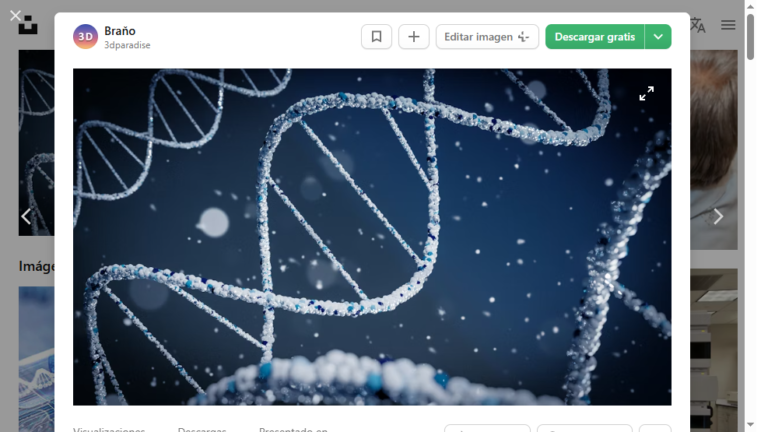
The most scientifically rigorous method involves analyzing your epigenome — the chemical marks on your DNA that control which genes are switched on or off. As we age, these marks change in predictable patterns. Scientists have developed “clocks” that read these patterns and calculate your biological age with remarkable precision.
The most well-known of these is the Horvath Clock, developed by UCLA biostatistician Steve Horvath in 2013. It analyzes 353 specific DNA methylation sites and can accurately estimate biological age across different tissues and cell types. Newer clocks like GrimAge and PhenoAge have been shown to predict disease risk and lifespan even more accurately.
Companies like TruDiagnostic and Elysium Health now offer consumer-accessible epigenetic age tests from a simple blood or saliva sample. Prices have dropped considerably, though they remain in the $200–$500 range for most tests.
Blood Biomarkers
Several blood markers correlate strongly with biological age and are available through standard medical testing. These include markers of inflammation (like hsCRP and IL-6), metabolic health (fasting glucose, insulin, HbA1c), cardiovascular function (lipid panels, apolipoprotein B), and cellular health (telomere length).
Services like InsideTracker and Function Health aggregate dozens of these biomarkers and provide a composite biological age estimate. Your regular doctor can order many of these tests as well, though insurance coverage varies.
Wearable Devices and Functional Tests
For a less expensive (and less precise) starting point, certain functional tests correlate meaningfully with biological age. Grip strength, VO2 max (your maximal oxygen uptake during exercise), resting heart rate, and heart rate variability (HRV) are all associated with biological aging rates.
Modern wearables like the Oura Ring, WHOOP, and Apple Watch can track HRV and resting heart rate trends over time, giving you a rough proxy for how your body is aging and responding to lifestyle changes. These aren’t clinical-grade biological age measurements, but they provide useful feedback on the habits that drive biological aging.
5 Science-Backed Habits That Lower Your Biological Age
Here’s the most important thing to understand: biological age is highly responsive to lifestyle. The research on this is consistent and growing. Here are five habits with strong scientific backing for reducing biological age.
1. Exercise Regularly — Especially Resistance Training
Physical activity is the single most well-documented intervention for slowing biological aging. A 2022 study in Aging Cell found that older adults who exercised consistently had epigenetic ages significantly younger than sedentary peers of the same chronological age. But not all exercise is equal for this purpose.
Resistance training — lifting weights, using resistance bands, or doing bodyweight exercises — specifically preserves muscle mass, which is one of the strongest predictors of healthy aging. Aim for at least two sessions of resistance training per week alongside 150 minutes of moderate aerobic activity. You don’t need to become an athlete. Consistent, moderate effort compounds over years into dramatically different biological outcomes.
2. Prioritize Sleep Quality
Sleep is when your body performs most of its cellular repair work. The brain, for instance, clears out metabolic waste products — including amyloid plaques associated with Alzheimer’s disease — primarily during deep sleep, through a system called the glymphatic system.
Research has consistently linked poor sleep to accelerated biological aging. A study from UCLA found that a single night of partial sleep deprivation increased biological aging markers equivalent to years of chronological aging. Adults who consistently sleep fewer than six hours per night show significantly elevated epigenetic aging rates. Aim for seven to nine hours, and prioritize sleep quality — cool, dark room, consistent schedule, and limited screen light before bed.
3. Eat More Plants and Less Ultra-Processed Food
Diet quality shows up clearly in epigenetic aging studies. The Mediterranean diet — rich in vegetables, fruits, legumes, olive oil, fish, and whole grains — is the most extensively studied dietary pattern for longevity, and it consistently correlates with younger biological ages.
Conversely, diets high in ultra-processed foods — anything with long ingredient lists full of additives, industrial oils, and refined sugars — are associated with accelerated biological aging and higher inflammation. You don’t need to eat perfectly. But shifting the ratio toward whole foods and away from ultra-processed products makes a measurable difference over time.
4. Manage Chronic Stress
Chronic psychological stress is one of the most underappreciated accelerators of biological aging. Stress activates inflammatory pathways, disrupts sleep, impairs immune function, and — critically — accelerates telomere shortening, which is a direct marker of cellular aging.
A landmark study published in PNAS found that caregivers of chronically ill patients — people under sustained, high stress — had telomeres equivalent to someone nine to seventeen years older than their chronological age. Mindfulness-based practices, including meditation, have been shown in multiple trials to slow this process. Even ten minutes of daily meditation has measurable effects on stress biomarkers within weeks.
5. Avoid Smoking and Limit Alcohol
This one isn’t surprising, but the biological mechanism is worth understanding. Smoking causes widespread DNA methylation changes that age the epigenome rapidly — some studies estimate that heavy smoking adds four to seven years of biological age. Even moderate alcohol consumption (more than one to two drinks per day) is associated with measurable epigenetic aging acceleration in multiple large studies.
The encouraging finding: when people quit smoking, their epigenetic age begins to recover. Biological aging is reversible in this sense — the damage is real, but it is not permanent.
The Bottom Line
Your biological age is a far better indicator of your health trajectory than your birthday. And unlike your chronological age, you can actually influence it. The science is clear: regular exercise, quality sleep, a diet rich in whole foods, stress management, and avoiding smoking and excessive alcohol all have documented effects on the cellular processes that drive biological aging.
You don’t have to overhaul your entire life overnight. Small, consistent improvements in these areas compound over years into meaningfully different health outcomes — and a measurably younger biological age.
At EternityUnlocked, we break down the science of aging and longevity into practical, evidence-based guidance for regular people. If you want to stay updated on the latest research — and get clear, actionable insights without the hype — sign up for our newsletter below. We’ll keep it simple, honest, and rooted in the science.